Office Location is Irving, Texas and Albuquerque, New Mexico
Stay updated on the latest immigration news and policy changes. See what's changed.
Office Location is Irving, Texas and Albuquerque, New Mexico
Published By:

The legal information presented on this page reflects the professional oversight of Attorney John W. Lawit and the attorneys at John W. Lawit, LLC. It is provided for informational purposes only and does not constitute legal advice or create an attorney-client relationship.
At John W. Lawit, LLC, we strive to ensure the information presented here is timely and accurate. For legal guidance specific to your individual case, please contact our firm directly. Nothing in this article should be interpreted as legal advice.
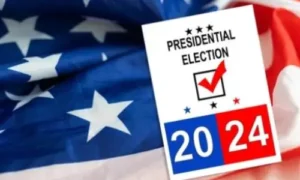 Immigration has become an important political issue. In 2005, there were only about five percentage points difference in how Republicans and Democrats viewed immigration. Since then, that gap has widened significantly, in 2019, views on immigration between the two parties were 47 percent apart. Today, the issue of immigration takes the top spot with a majority of American voters. In April 2024 a Wall Street Journal poll found that immigration had edged out the economy and is now the most important issue for voters. Changing immigration policies from both parties has taken a toll on those trying to make the United States their home. The issue is crucial for the 11.4 million people who live and work in America but lack paperwork.
The future of immigration feels precarious for those whose very lives hinge on U.S. immigration policies. It can be beneficial to speak to a knowledgeable Dallas County immigration attorney from John W. Lawit, LLC to discuss your immigration status. A highly skilled lawyer can help you protect your current immigration status or achieve citizenship in the best way possible.
Regardless of the election outcome, it is likely the U.S. immigration system in the future will include lengthier processing times, an increase in procedural complexities, and even higher filing fees. On the positive side, it is also expected that there will be more automated and online services available for immigrants and their attorneys.
The presidential outcome is not the only determinant of how immigration policies may change. Party control of Congress and the Senate are equally important to what laws may be enacted. Enhanced border enforcement will likely be a priority no matter which party gains political control. Below are some potential scenarios regarding immigration and the 2024 election.
A Democrat-controlled Congress and White House could result in a wider array of immigration options, possibly including:
A Republican-controlled Congress and White House might result in the following changes to immigration policies:
Certain people could feel a major impact following the November election outcome. These may include:
At the Irving law firm of John W. Lawit, LLC, the goal is to provide comprehensive solutions for the broad array of immigration issues. We pursue every immigration eligibility avenue for our clients, always working toward a positive outcome. If you are facing an immigration issue, you need a Dallas County, TX immigration lawyer to provide you with compassionate assistance, regardless of the complexity of the issue. Contact John W. Lawit, LLC at 214-609-2242 today to have your questions answered in a thorough, yet easy-to-understand manner.