Office Location is Irving, Texas and Albuquerque, New Mexico
Stay updated on the latest immigration news and policy changes. See what's changed.
Office Location is Irving, Texas and Albuquerque, New Mexico
Published By:

The legal information presented on this page reflects the professional oversight of Attorney John W. Lawit and the attorneys at John W. Lawit, LLC. It is provided for informational purposes only and does not constitute legal advice or create an attorney-client relationship.
At John W. Lawit, LLC, we strive to ensure the information presented here is timely and accurate. For legal guidance specific to your individual case, please contact our firm directly. Nothing in this article should be interpreted as legal advice.
Quick Summary: Green Card Interview Questions: What to Expect
Need immediate help? Contact John W. Lawit, LLC.
 A green card interview can feel like one of the most stressful moments in the immigration process. You wait months, gather every document, and still wonder what the officer will actually ask you. Understanding green card interview questions and what to expect helps you walk in with more confidence and less doubt.
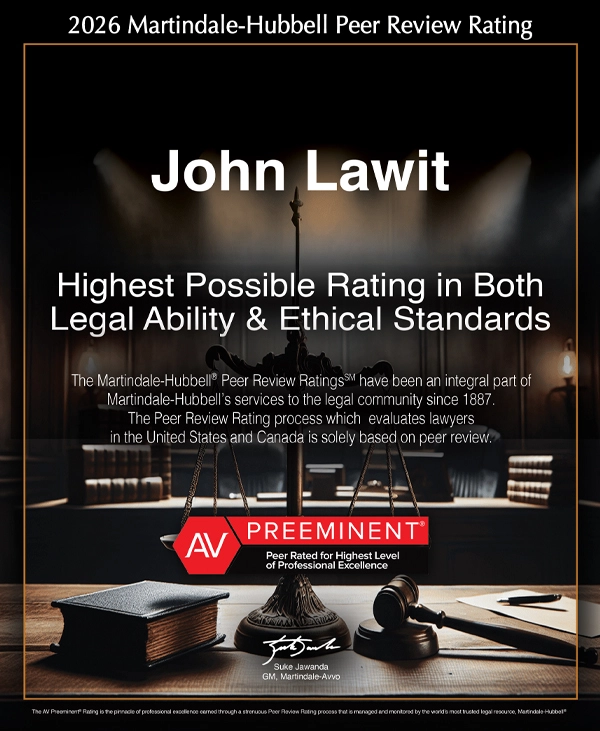
At John W. Lawit, LLC, our team guides applicants through every stage of the green card journey. Attorney John W. Lawit brings over 40 years of experience and holds bar admissions in New Mexico, Texas, Pennsylvania, and Canada. Our team helps clients prepare, organize, and feel steady as the interview date approaches.
Most applicants search for interview details because the stakes feel deeply personal. A single appointment can affect whether a family stays together or a career moves forward. That pressure pushes people to seek out every detail they can find about the process. The more you know, the less you have to guess.
The immigration officer will review your case closely and ask questions tied to your file. Clear answers that match your paperwork show honesty and consistency. Officers also listen for tone and steady delivery, not just the words themselves.
Reading green card interview questions ahead of time helps you think clearly instead of freezing up during the interview. You start to learn the rhythm of the interview and the kinds of follow-ups officers often ask. Working with a Dallas immigration lawyer early can also ease much of that uncertainty.
Strong green card interview preparation gives you the tools to answer clearly under pressure. It helps you walk in knowing your file, your story, and your supporting documents. Preparation also helps you spot and fix small errors in your file before the officer notices them. The goal is calm, steady, and honest communication with the officer.
The questions you face during a USCIS green card interview depend heavily on your category. Officers focus on different details based on whether your petition is marriage, employment, or family based. Each path carries its own proof points and its own concerns.
Knowing your path helps you prepare for the right questions. Marriage-based green card interview questions, for example, look very different from those asked in employment or family cases.
Officers ask marriage-based green card interview questions to confirm a bona fide marriage.
Common topics include:
An employment-based green card interview focuses on whether the job offer and your role are real.
Officers usually cover:
A family-sponsored green card interview centers on your relationship to the petitioner. Officers often ask about:
Diversity visa and general eligibility interviews focus on your personal record and background.
Expect questions about:
Understanding the focus of your category helps you gather the right evidence and walk in ready for the questions that matter most. When you know what the officer cares about, you can answer with clarity instead of guessing.
Memorized answers can sound stiff and rehearsed to a trained officer during an adjustment of status interview. Officers often follow up with small variations that break the script and expose hesitation. That small stumble alone can create concern about your honesty.
The stronger approach is to know your story, not your lines. Review the facts of your case, then speak naturally in your own voice. Honest answers, even imperfect ones, almost always land better than a flawless script.
Your supporting documents back up every answer you give during the interview. Officers prefer originals and may ask for specific items directly from your file. Bringing the wrong items or forgetting a key one can slow your case down.
A short checklist keeps you ready on the big day.
If English is not your first language, you have the right to request an interpreter for your interview. USCIS allows you to bring a qualified interpreter, and in some cases the officer may provide language support. Confirm interpreter requirements on your interview notice (Form I-797) before the appointment.
Officers are trained to check for truth, consistency, and eligibility. They compare your answers to your file and to the answers of any joint applicant. Small contradictions can raise concern, even when they come from honest mistakes. The USCIS policy manual on interview requirements outlines the standards officers follow.
Most of these issues are easy to fix with careful review, clear organization, and honest preparation before your appointment.
Most green card interviews last 15 to 45 minutes, depending on how complex your case is. Certain green card interview approval signs can appear before you leave the room. The officer may keep a calm, friendly tone and ask only a few follow-ups. A request for your passport at the end often points to a positive outcome.
Not every interview ends with an on-the-spot decision. Possible outcomes include approval, a request for more evidence, administrative processing, or denial. You can review INA provisions on adjustment of status for the legal standards officers apply.
Some applicants may later qualify for an interview waiver in future filings. If your case includes prior issues or gaps, early legal support can make a real difference. A Dallas green card lawyer can review your file and help map out your next steps.
Yes, your attorney may attend the interview and sit beside you the entire time. They can observe the questions, take notes, and step in on legal points when allowed. Your attorney cannot answer for you, since USCIS needs your own voice on the record.
You can reschedule by following the instructions on your interview notice (Form I-797) as soon as you know you cannot attend. Submit your request in writing and include a clear reason, such as illness or travel. Try to ask for a new date several weeks in advance whenever possible.
USCIS usually allows up to 87 days to respond to a formal Request for Evidence. The exact deadline will appear on the notice you receive after your interview. Missing the deadline can lead to a denial, so act quickly once the request arrives.
John W. Lawit, LLC has guided immigration applicants through interviews for over four decades. Attorney John W. Lawit holds bar admissions in New Mexico, Texas, Pennsylvania, and Canada, giving our firm wide experience across complex cases. Our team focuses on clear preparation, steady guidance, and honest communication at every stage.
If you have a green card interview coming up, early support can make a real difference. Speak with John W. Lawit, LLC today about your case and your interview plan. Contact us at (214) 609-2242 to schedule a consultation.