Office Location is Irving, Texas and Albuquerque, New Mexico
Stay updated on the latest immigration news and policy changes. See what's changed.
Office Location is Irving, Texas and Albuquerque, New Mexico
Quick Summary: McKinney Immigration Lawyer

For the families and professionals who call McKinney home, immigration questions rarely arrive at a convenient moment. A software engineer at one of the corporate headquarters lining the US-75 corridor may suddenly need an H-1B transfer; a family across town may be assembling a relative petition; or a longtime resident may be preparing for a naturalization interview at the USCIS Dallas field office. McKinney sits at the heart of Collin County, and its fast-growing international workforce means these situations touch nearly every neighborhood.
Immigration is governed entirely by federal law. That means, where you live shapes the procedure far more than the outcome. Collin County residents attend interviews and biometrics appointments through the Dallas office and, when a matter reaches litigation, the case goes before the Dallas Immigration Court. That local procedural knowledge is where an experienced Collin County immigration attorney adds real value.
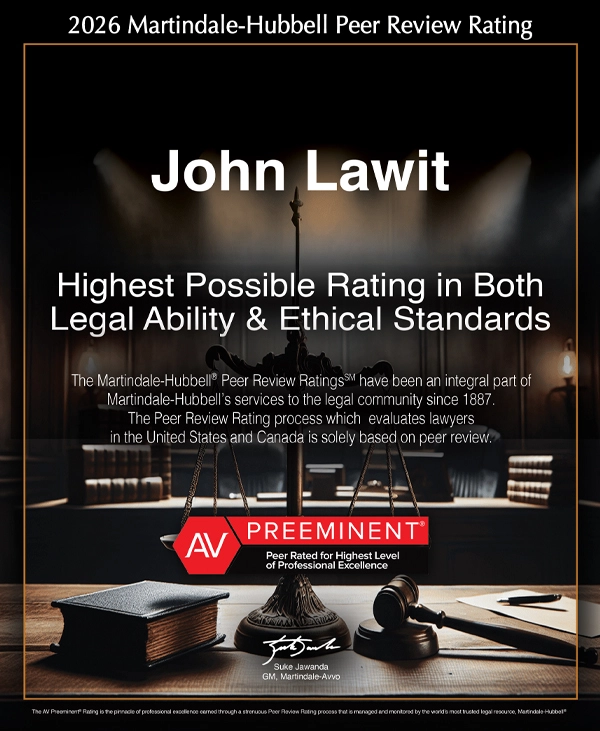
John W. Lawit brings more than 40 years of practice and bar admissions in Texas, New Mexico, Pennsylvania, and Canada to matters across North Texas from routine family petitions to complex, multi-jurisdictional cases.
No two immigration matters look alike, but certain scenarios surface again and again across Collin County. Many begin with family. A U.S. citizen files an I-130 petition for a spouse or parent, or a household looks for a way to keep a relative here lawfully. A family immigration lawyer that McKinney households turn to can spot eligibility problems before they harden into obstacles.
Other cases are driven by work and study. Professionals recruited into the region’s technology sector often need employer-sponsored visas, and a knowledgeable McKinney visa lawyer helps them choose the right category. Permanent residence is its own milestone, which is why many people consult a green card lawyer McKinney residents recommend once lasting status becomes the goal. Because the firm’s work spans the northern suburbs, clients in neighboring communities also connect with an immigration attorney in Plano who handles these same case types.
Small filing mistakes can create delays, trigger additional USCIS scrutiny, or limit the options available later in a case. Problems often begin with something that seems minor, such as an incorrect filing sequence, a fee error, or a missed deadline, but these issues can become harder to correct once USCIS takes action.
Immigration law is governed at the federal level, but local procedures still shape how McKinney and Collin County cases move forward. Understanding both the federal rules and the Dallas-area process can help clarify eligibility, filing requirements, and next steps.
Immigration law is federal, so USCIS and immigration courts set the statutes, eligibility rules, and deadlines that apply to McKinney residents.
For Collin County residents, contested cases may proceed through the Dallas Immigration Court. How immigration court proceedings unfold in Dallas can affect preparation and strategy, making local procedural familiarity valuable when working with a Collin County immigration attorney.
Federal rules determine eligibility for adjustment of status, consular interviews, and becoming a lawful permanent resident. John W. Lawit’s Canadian bar admission can also be relevant in cross-border and TN visa matters.
For the employers driving Collin County’s economy, immigration is also a compliance issue. Sponsoring a foreign worker means meeting strict Department of Labor and USCIS requirements, keeping accurate I-9 records, and honoring the obligations attached to an approved petition. A misstep can stall a hire or expose a company to penalties.
The friction often lands on the employee, too. A work visa attorney McKinney Texas businesses rely on can clarify whether an H-1B, L-1, or TN classification fits a role, and how a change of employer affects status. A sponsor who signs an Affidavit of Support (Form I-864) takes on financial responsibilities that outlast the job itself. Because many roles route through an embassy, understanding how consular processing works abroad helps both sides plan realistic timelines.
Immigration decisions are built on documents, and small errors carry outsized weight. An incomplete file can quietly turn a strong case into a denied one. The evidence that tends to matter most includes birth and marriage certificates, financial sponsorship documents, employment verification letters, tax returns, and clear passport copies.
The common mistakes are just as predictable: submitting foreign-language documents without certified translations, or missing a biometrics appointment. When USCIS wants more, it issues a Request for Evidence with a firm response deadline, often only a few weeks, and a weak reply can be as damaging as no reply at all. Either way, carefully organized documentation is usually what keeps a case moving.
Immigration outcomes often depend on preparation, timing, credibility, and meeting every deadline. For people facing removal defense, the consequences can affect family, employment, and the ability to remain in the United States.
Timing quietly drives immigration outcomes. Waiting to seek guidance rarely makes a case simpler; more often it narrows the options that remain. Someone whose status is about to expire, or who has just been placed in removal proceedings, has far more room to maneuver early than after a deadline has passed.
Certain moments call for a prompt conversation with an experienced attorney: receiving a Request for Evidence, getting a denial, being served a notice to appear, or watching a work authorization near its end. None of these guarantees a problem, but each one starts a clock. Understanding what steps may be available, and acting while they still exist, is often the most valuable thing a person can do, and it is the real advantage of having a seasoned lawyer read the situation before the next filing.
Most Collin County residents attend interviews at the USCIS Dallas field office in Irving, while biometrics are completed at a designated Application Support Center. Always confirm the location listed on your appointment notice and bring the required documentation.
Timelines vary based on the family relationship, whether the applicant is inside or outside the United States, priority-date availability, and USCIS processing. Missing documents or a Request for Evidence can also cause delays.
Review the RFE carefully, note the response deadline, and address every requested item with clear supporting evidence. Because an incomplete or late response can affect the case, timely preparation is important.
Every immigration situation carries its own timing, paperwork, and set of choices, and the earlier you understand them, the more room you have to act. A conversation about where your case stands, which documents matter, and what paths may be open can bring welcome clarity to a process that often feels opaque.
John W. Lawit, LLC works with individuals, families, and employers throughout McKinney, Texas, and the surrounding Collin County communities of Frisco, Plano, and Allen. Talk through your circumstances with us. Contact us online or call (214) 609-2242 to understand what steps may be available in your case.