Office Location is Irving, Texas and Albuquerque, New Mexico
Stay updated on the latest immigration news and policy changes. See what's changed.
Office Location is Irving, Texas and Albuquerque, New Mexico
Published By:

The legal information presented on this page reflects the professional oversight of Attorney John W. Lawit and the attorneys at John W. Lawit, LLC. It is provided for informational purposes only and does not constitute legal advice or create an attorney-client relationship.
At John W. Lawit, LLC, we strive to ensure the information presented here is timely and accurate. For legal guidance specific to your individual case, please contact our firm directly. Nothing in this article should be interpreted as legal advice.
Cancellation of removal is one of the most important forms of relief available in immigration court. But not all cancellation cases are the same. The law creates two distinct paths: Section 42A for lawful permanent residents and Section 42B for non-permanent residents. Understanding the differences is critical to evaluating your case.
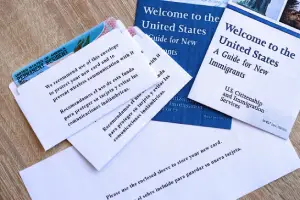 42A (Lawful Permanent Residents): You must have held your green card for at least five years and have been physically present in the United States for at least seven years in total. This category is designed for individuals who have already established permanent legal status in the country.
42B (Non-Permanent Residents): You must have been continuously physically present in the United States for at least ten years, must demonstrate good moral character throughout that period, and must have a qualifying relative. A U.S. citizen or lawful permanent resident spouse, parent, or child.
The hardship requirements represent the most significant difference between the two categories. Under 42A, the hardship standard is relatively minimal. The law is remarkably generous to long-term permanent residents, forgiving many issues that would ordinarily result in removal.
Under 42B, the standard is exceptional and unusual hardship, the highest threshold in immigration law. This means that the qualifying relative must face hardship that goes far beyond what would normally be expected when a family member is deported. Proving this requires extensive medical documentation, financial evidence, and often expert testimony.
42A cases are extremely rare. Many immigration judges go through their entire career without ever adjudicating one. The reason is straightforward: lawful permanent residents are less frequently placed in removal proceedings, and when they are, the bar for relief is lower.
42B cases, by contrast, are among the most common proceedings in immigration court. They are heard regularly by judges across the country. However, the grant rate is low precisely because the hardship standard is so difficult to meet.
Under 42A, the law provides substantial forgiveness for criminal history, recognizing the applicant’s long-term investment in life in the United States. Even serious convictions can sometimes be overcome.
Under 42B, the good moral character requirement is applied with extreme strictness. A single DWI from decades ago, or even two minor theft convictions (known as crimes involving moral turpitude), can permanently disqualify an applicant. The criminal record must be essentially spotless.
Both 42A and 42B cancellation of removal can result in lawful permanent resident status, but the paths to get there could not be more different. If you are in removal proceedings, an experienced immigration attorney can evaluate your specific circumstances and determine which form of relief, if any, is available to you.
Attorney John Lawit has successfully handled both 42A and 42B cancellation cases throughout his 45+ years of practice. Contact our offices in Albuquerque or Irving for a case evaluation.