Office Location is Irving, Texas and Albuquerque, New Mexico
Stay updated on the latest immigration news and policy changes. See what's changed.
Office Location is Irving, Texas and Albuquerque, New Mexico
Published By:
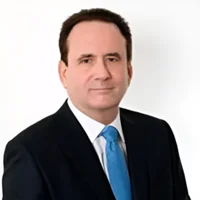
The legal information presented on this page reflects the professional oversight of Attorney John W. Lawit and the attorneys at John W. Lawit, LLC. It is provided for informational purposes only and does not constitute legal advice or create an attorney-client relationship.
At John W. Lawit, LLC, we strive to ensure the information presented here is timely and accurate. For legal guidance specific to your individual case, please contact our firm directly. Nothing in this article should be interpreted as legal advice.
Key Summary:
 The U.S. Department of Homeland Security (DHS) has announced a major change that will affect international students studying in the United States on F-1 student visas. Beginning September 15, 2026, F-1 students will no longer be admitted to the United States under the long-standing “Duration of Status” system.
Instead, students will receive admission for a fixed period of time. Anyone needing additional time to complete their studies or training will generally be required to file a formal Extension of Stay application with U.S. Citizenship and Immigration Services (USCIS).
For decades, most F-1 students entered the United States under Duration of Status (D/S). Rather than having a fixed expiration date stamped on their Form I-94, students were permitted to remain in the U.S. indefinitely as long as they:
This flexible system allowed students to extend their academic programs, change educational levels, or participate in OPT without their admission automatically expiring.
Beginning September 15, 2026, new F-1 arrivals will be granted a fixed period of authorized stay. The fixed admission period will generally include:
Unlike the previous system, international students will now have a precise admission expiration date on their I-94 that must be strictly monitored.
Many international students require additional time to finish their degree due to research requirements, academic delays, medical issues, or other approved reasons. Under the new rule, extending your Form I-20 alone may no longer be enough.
If you need additional time to:
you will generally need to:
Because USCIS processing times can be lengthy, students should begin planning well before their authorized stay expires.
Students who were admitted in F-1 status before September 15, 2026 and under the Duration of Status system generally may continue under the current rules during a transition period.
These students may typically remain until:
However, this transition is not indefinite. Under the final rule, these students generally may not remain beyond November 14, 2030 unless they qualify for a new period of admission or otherwise comply with the new regulations.
The final rule also introduces new requirements for students who:
Because these situations may now affect a student’s period of admission, it is more important than ever to work closely with your Designated School Official (DSO) and an experienced immigration attorney before making significant academic changes.
The elimination of Duration of Status fundamentally changes how international students maintain lawful immigration status in the United States. Under the previous system, students primarily focused on maintaining compliance with F-1 regulations through their school.
Under the new system, students must also pay close attention to the expiration date of their admission and determine whether an Extension of Stay application with USCIS is required. Missing an important deadline could result in:
Careful planning will become more important than ever.
The new DHS rule creates additional responsibilities for F-1 students and may significantly affect your immigration strategy. We can help:
If you are an international student or your school has informed you that these changes may affect your status, contact our office today to schedule a consultation. We can help you understand your options and remain compliant under the new DHS regulations.
The rule goes into effect on September 15, 2026.
No. Students admitted under Duration of Status prior to September 15, 2026, enter a transition period that allows them to maintain status under current rules until their Form I-20 end date (capped at November 14, 2030).
Yes. An updated, valid Form I-20 from your DSO remains mandatory. However, under the new rule, an I-20 extension must be paired with a USCIS extension of stay.
Because USCIS processing times vary, it is recommended to consult an attorney and begin preparing your extension application several months before your I-94 expiration date.