Office Location is Irving, Texas and Albuquerque, New Mexico
Stay updated on the latest immigration news and policy changes. See what's changed.
Office Location is Irving, Texas and Albuquerque, New Mexico
Published By:
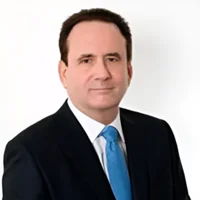
The legal information presented on this page reflects the professional oversight of Attorney John W. Lawit and the attorneys at John W. Lawit, LLC. It is provided for informational purposes only and does not constitute legal advice or create an attorney-client relationship.
At John W. Lawit, LLC, we strive to ensure the information presented here is timely and accurate. For legal guidance specific to your individual case, please contact our firm directly. Nothing in this article should be interpreted as legal advice.
By John W. Lawit and Madeline Carles, Paralegal
Authors’ Note: John W. Lawit is an attorney at law. Madeline Carles is a paralegal and not a practicing attorney. This article is written for educational purposes and informational purposes, and does not constitute legal advice.
Key Summary:

Interview Delays Persist
Two months after the State Department first directed U.S. embassies and consulates worldwide to pause and reschedule immigrant visa interviews, the delays are still firmly in place. The global halt was initiated in August 2026 to ensure that all consular officers undergo comprehensive training on the public charge ground of inadmissibility, which aligns with recent changes to the Department of Homeland Security’s (DHS) framework. The new DHS rule, which rescinded the 2022 public charge regulations, officially took effect on September 18, 2026.
Consulates Share New Interview Preparation Addendum
While the State Department has not announced an exact date for when normal scheduling will resume, some consulates are proactively sharing an “Immigrant Visa Interview Preparation Addendum” with practitioners and applicants. This guidance outlines the types of highly fact-intensive public charge and financial self-sufficiency questions that consular officers may ask during their interviews.
According to the addendum, inquiries will primarily cover seven areas:
The addendum explicitly notes that these sample questions are strictly illustrative. Depending on the specific circumstances of each application, consular officers maintain the discretion to ask different or additional questions.
Preparation Strategies and Ongoing Requirements
Because answers provided during the interview must be entirely truthful and consistent with the DS-260, the underlying petition, and supporting documents, applicants are encouraged to use this extended pause to prepare meticulously for these new inquiries. Applicants may wish to identify and explain any material changes or inconsistencies ahead of time. It is also recommended to gather current evidence of assets, income, housing plans, and expected health insurance premiums to directly address the specific topics outlined in the consular addendum.
For those currently waiting for an appointment, cases will eventually move forward under these updated case-specific adjudication standards. While the pause continues, applicants remain subject to all other statutory criteria and should expect:
This article is provided for general informational purposes only and does not constitute legal advice. Immigration laws and policies can change, and individuals should consult with a qualified immigration attorney regarding their specific circumstances. If you have questions, please call John W. Lawit, LLC at 214-609-2242.