Office Location is Irving, Texas and Albuquerque, New Mexico
Stay updated on the latest immigration news and policy changes. See what's changed.
Office Location is Irving, Texas and Albuquerque, New Mexico
Published By:
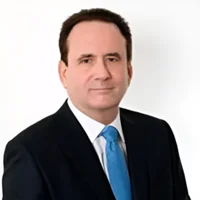
The legal information presented on this page reflects the professional oversight of Attorney John W. Lawit and the attorneys at John W. Lawit, LLC. It is provided for informational purposes only and does not constitute legal advice or create an attorney-client relationship.
At John W. Lawit, LLC, we strive to ensure the information presented here is timely and accurate. For legal guidance specific to your individual case, please contact our firm directly. Nothing in this article should be interpreted as legal advice.
By John W. Lawit and Madeline Carles, Paralegal Intern
Authors’ Note: John W. Lawit is an attorney at law. Madeline Carles is a paralegal intern, not a practicing attorney. This article is written for educational purposes and informational purposes, and does not constitute legal advice.
Key Summary:
 On August 26, the Trump administration issued a worldwide pause on immigrant visa appointments across U.S. embassies and consulates. According to a U.S. State Department spokesperson, the temporary suspension was initiated following an August 21 federal court decision striking down an earlier January policy targeting 75 countries.
The current freeze is intended to accommodate a global training program for consular officers to help them evaluate whether applicants can support themselves without relying on public benefits.
While officials originally indicated to a court that interviews would only be suspended through late August, reports indicate that widespread cancellations could continue for months as each mission must complete officer training and certification. Immigrant visa applicants will continue to receive email notifications that their appointments are being rescheduled until standard processing resumes.
The visa processing pause is part of a broader, aggressive immigration enforcement drive. Citing domestic security goals, the government has ramped up deportation efforts and implemented stricter vetting for foreign nationals.
This crackdown has included the revocation of visas and green cards, as well as the rejection of applications based on a range of factors, including applicants’ political opinions and participation in pro-Palestinian protests related to the conflict in Gaza.
Furthermore, despite previous campaign promises focused primarily on unauthorized border crossings, the administration has introduced substantial administrative hurdles for legal immigration pathways, most notably by imposing new, expensive filing fees for applicants seeking certain work visas.
Human rights organizations have widely condemned these enforcement measures, characterizing the policies as discriminatory and warning of severe violations to free speech and due process rights. Advocacy groups have also argued that the current enforcement climate has fostered an unsafe environment for ethnic minorities, prompting widespread concerns over racial profiling within the United States.
It is the opinion of the author that framing this global pause as a routine training exercise does little to mask what appears to be a systemic attempt to undermine the immigration system. There is no clear, justifiable operational reason to halt visa interviews worldwide for staff training, a routine process typically handled without disrupting international diplomatic operations.
Instead, this sudden suspension appears to be yet another calculated tactic in the Trump administration’s broader agenda to restrict and dismantle all forms of entry into the country, targeting not just unauthorized crossings, but legal immigration pathways as well.
Thousands of applicants across the world remain in acute operational and emotional limbo. For individuals who have already spent substantial sums on non-refundable travel, mandatory medical exams, document collection, and legal assistance to attend their scheduled interviews abroad, the sudden cancellations present immediate financial and logistical hardships.
The absence of a definitive global timeline for when processing will fully resume leaves families separated, employment starts delayed, and relocation plans indefinitely suspended.
Applicants are strongly advised to monitor their registered email accounts and check official consular portals daily for official rescheduling notices, though they should anticipate prolonged processing backlogs once appointments reopen. In the interim, impacted individuals should avoid making unalterable travel arrangements or quitting employment until a definitive new interview date is confirmed by their local embassy or consulate.
This article is provided for general informational purposes only and does not constitute legal advice. Immigration laws and policies can change, and individuals should consult with a qualified immigration attorney regarding their specific circumstances. If you have questions, please call John W. Lawit, LLC at 214-609-2242.