Office Location is Irving, Texas and Albuquerque, New Mexico
Stay updated on the latest immigration news and policy changes. See what's changed.
Office Location is Irving, Texas and Albuquerque, New Mexico
Published By:
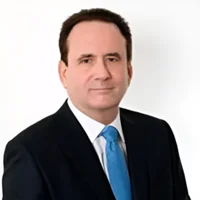
The legal information presented on this page reflects the professional oversight of Attorney John W. Lawit and the attorneys at John W. Lawit, LLC. It is provided for informational purposes only and does not constitute legal advice or create an attorney-client relationship.
At John W. Lawit, LLC, we strive to ensure the information presented here is timely and accurate. For legal guidance specific to your individual case, please contact our firm directly. Nothing in this article should be interpreted as legal advice.
By John W. Lawit and Madeline Carles, Paralegal Intern
Authors’ Note: John W. Lawit is an attorney at law. Madeline Carles is a paralegal intern, not a practicing attorney. This article is written for educational purposes and informational purposes, and does not constitute legal advice.
On August 3, 2026, the Department of State issued a Final Rule establishing the Visa Bond Program pursuant to Section 221(g)(3) of the Immigration and Nationality Act (INA). Under this program, a consular officer may require nonimmigrant visa applicants to post a visa bond prior to visa issuance based on B1/B2 visa overstay rates identified in the Department of Homeland Security’s Entry/Exit Overstay Report.

Citizens and nationals traveling on a passport issued by an identified country who are found otherwise eligible for a B1/B2 visa must post a bond in the amount of $10,000, $15,000, or $20,000, as determined during the visa interview. The requirement applies regardless of the location where the application is submitted. Applicants must also submit Department of Homeland Security (DHS) Form I-352, Immigration Bonds, and agree to the terms of the bond via the Department of the Treasury’s online platform, Pay.gov.
Applicants should submit Form I-352 and post a bond only after receiving explicit direction and official instructions from a consular officer. The U.S. Government is not responsible for funds paid outside of official channels, and unauthorized or premature payments will not be refunded.
The visa bond may be posted by the applicant or a third party (such as a relative, friend, or business associate) located inside or outside the applicant’s home country. The person or entity posting the bond is designated as the obligor and will receive the refund upon fulfillment of the bond conditions. The name of the obligor listed on Form I-352 must strictly match the name of the paying party. All transactions are conducted in U.S. dollars, and the obligor bears responsibility for any currency exchange rate fluctuations. Posting a bond does not guarantee that a visa will be issued.
Designated Ports of Entry
As a mandatory condition of the bond, visa holders must enter and depart the United States through designated ports of entry. Failure to comply may result in denied entry or an unrecorded departure. Mandatory ports of entry include all commercial airports of entry, including U.S. Customs and Border Protection (CBP) preclearance locations.
Visa bond holders are strictly prohibited from entering or departing via charter air, general aviation, land, or sea ports of entry.
Visa Bond Compliance and Cancellation
Bond terms are specified on Form I-352 and on Travel.State.Gov. A visa bond will be canceled and the funds automatically refunded to the obligor in the following circumstances, as recorded in DHS’s Arrival and Departure Information System (ADIS):
Visa Bond Breach
DHS will refer potential violations to U.S. Citizenship and Immigration Services (USCIS) to determine whether a bond breach has occurred. Grounds for a breach include, but are not limited to:
Identified Countries and Implementation Dates
As of October 2, 2026, nationals from the following countries are subject to the visa bond requirement upon determination by a consular officer:
This article is provided for general informational purposes only and does not constitute legal advice. Immigration laws and policies can change, and individuals should consult with a qualified immigration attorney regarding their specific circumstances. If you have questions, please call John W. Lawit, LLC at 214-609-2242.